
In a recent article for Realtor.com, Mapped: Where Affordability Got Crushed After the Pandemic, author Allaire Conte explores how the U.S. housing landscape has shifted since 2019. Utilizing a new analysis from the Common Sense Institute (CSI), the report highlights a sobering reality: to maintain a 2019 standard of living, the average American household must now spend an additional $15,400 per year.
Housing remains the primary driver of this affordability crisis. While the average household currently devotes about 18.5% of its income to shelter and utilities, this figure spikes to nearly 29% in the least affordable states. The study measured costs across six domains—including groceries, gas, and insurance—and found that while every category saw double-digit increases, shelter and utilities surged by 33.9%, eclipsed only by childcare and car insurance.
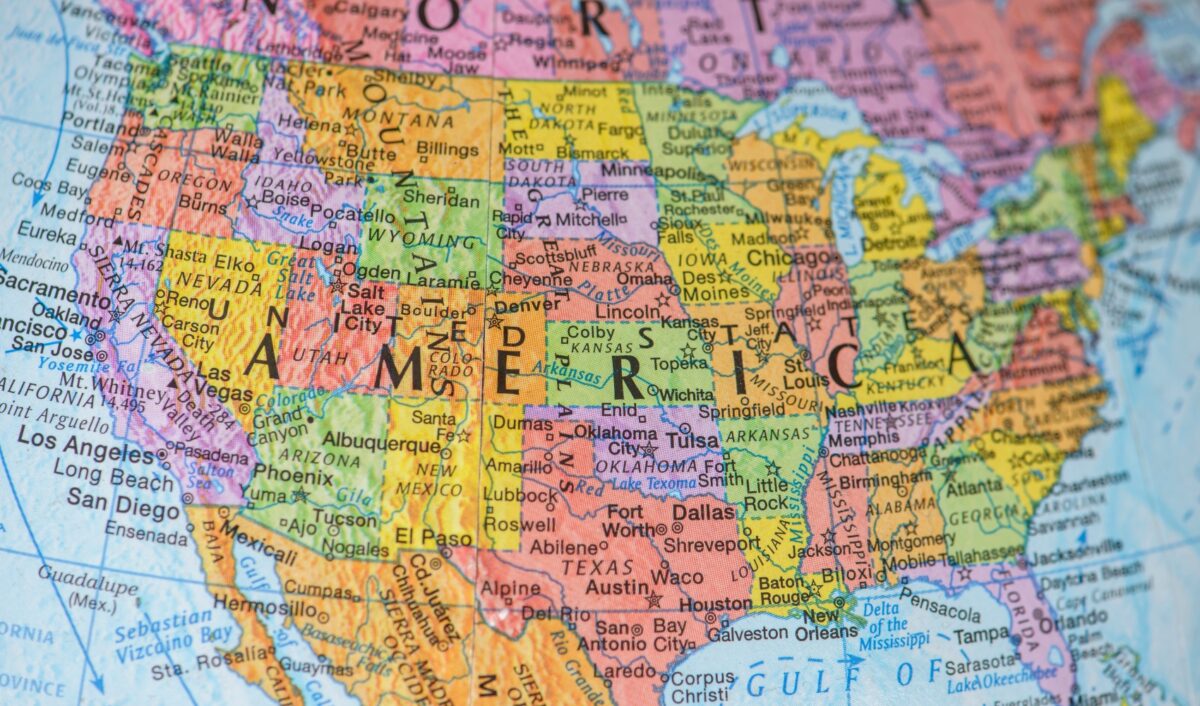
The geographic divide is stark. Coastal and Northeast hubs like Rhode Island, Massachusetts, and California saw the sharpest declines in purchasing power. Conversely, 21 states (including Illinois) managed to buck the trend. In states like Kansas and Utah, income growth actually outpaced the rising cost of living. Notably, Utah serves as a model for the building industry; the state managed to offset price increases by aggressively adding new construction, accounting for 1.6% of the nation’s new building permits despite having only 1% of the population.
To dive deeper into the data and see where every state stands, you can view the full article and map here on the Realtor.com website.